


SUMMER MANGO \"THE KING\" OF FRUITS MANIA
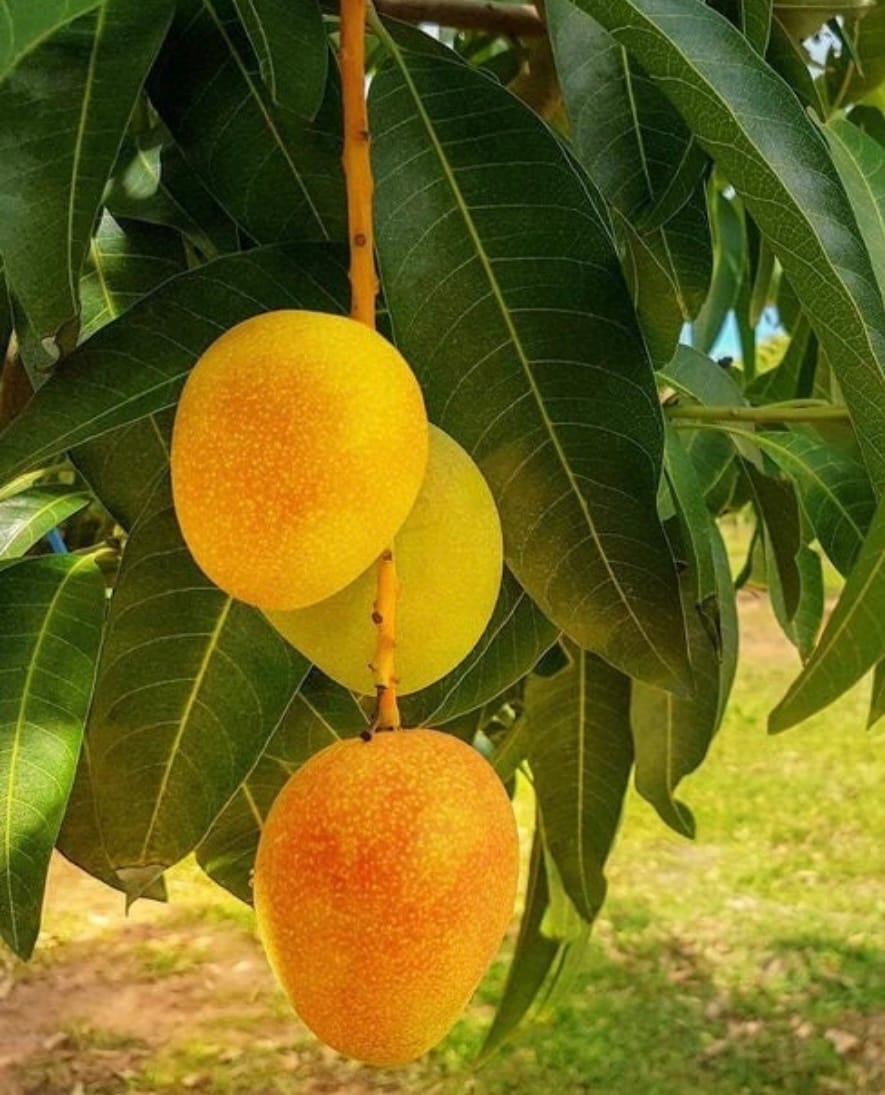
As summer approaches, one fruit shines brighter than the rest – the mango. Known as the "king of fruits," mangoes are celebrated for their sweet, juicy flesh and vibrant colors. This article will delve into the history of mangoes, explore various types of this beloved fruit, discuss their seasonality, and provide tips for incorporating them into food tourism. Additionally, we’ll share both a savory and a sweet recipe featuring mangoes that will delight your taste buds.
The History of Mangoes
Mangoes have a rich history that dates back thousands of years. Native to South Asia, particularly India, mangoes have been cultivated for over 4,000 years. They hold a significant place in Hindu culture and are often referred to as the "food of the gods." Historical texts mention mangoes as a symbol of love and prosperity.
Mangoes spread to various parts of the world through trade routes, finding their way to the Middle East, Africa, and the Americas. Today, mangoes are grown in tropical and subtropical regions worldwide, with India being the largest producer, followed by countries like China, Thailand, and Mexico.
Types of Mangoes
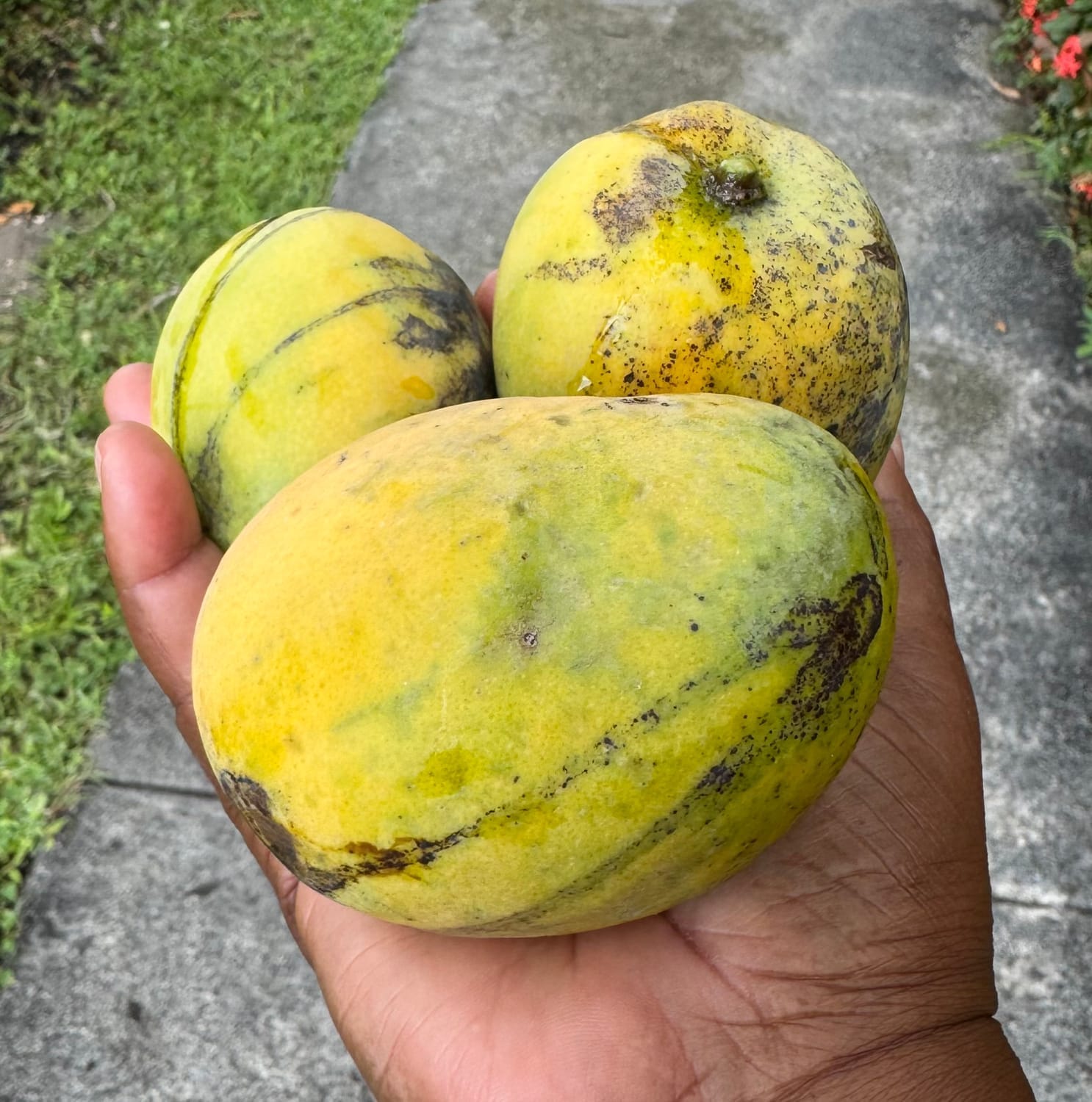
Mangoes come in a plethora of varieties, each with its unique flavor, texture, and color. Here are some popular types:
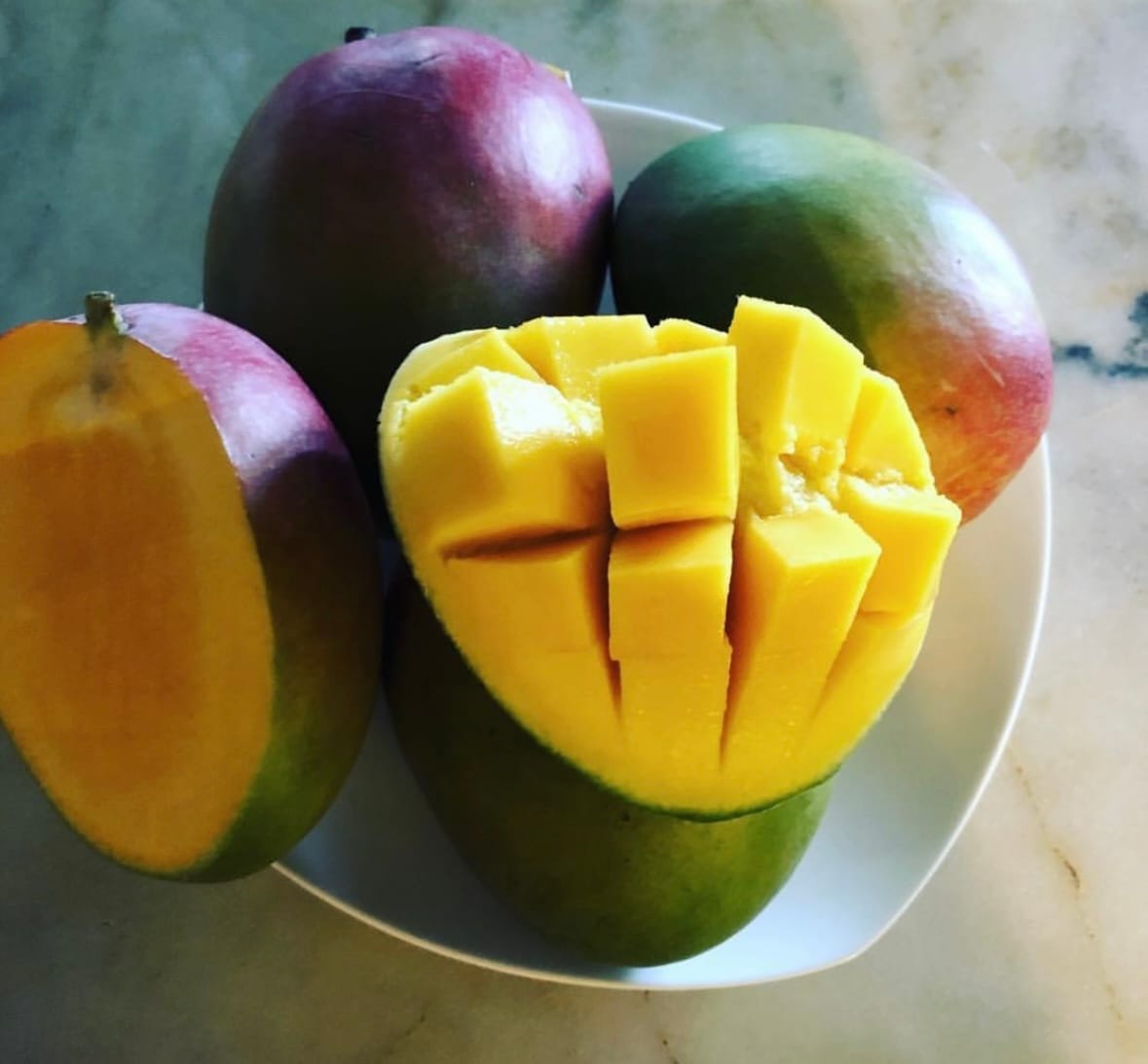
1. Haden: Known for its sweet flavor and vibrant red skin with green and yellow undertones, Haden mangoes are juicy and aromatic, making them a favorite among mango lovers.
2. Alphonso: Often referred to as the "king of mangoes," Alphonso mangoes are known for their rich, creamy texture and sweetness. They are predominantly grown in India and are highly sought after during the mango season.
3. Tommy Atkins: This variety is widely available and has a mild flavor with a firm texture. Its red and green skin makes it visually appealing, and it holds up well in transportation, making it popular in markets.
4. Kent: Kent mangoes are large, oval-shaped, and known for their sweet, juicy flesh. They have a green skin with a hint of red and are less fibrous, making them perfect for smoothies and desserts.
5. Nam Doc Mai: This Thai variety is renowned for its sweet taste and fragrant aroma. It has a smooth, thin skin and is often used in desserts and salads.
Mango Season
Mangoes are typically in season from late spring to early summer, depending on the variety and geographical location. In the United States, the peak season for mangoes runs from May to September. During this time, markets are flooded with fresh mangoes, offering a fantastic opportunity for food tourism businesses to showcase this beloved fruit.
Tips for Using Mangoes in Your Local Food Tourism Business
1. Highlight Local Varieties: If you’re operating in a region where specific mango varieties thrive, showcase them in your offerings. Share the story of these local mangoes to create a deeper connection for tourists.
2. Create Unique Experiences: Consider offering mango-themed culinary experiences, such as mango tasting events, cooking classes, or farm tours where visitors can see mangoes being harvested.
3. Pair with Local Flavors: Combine mangoes with other local ingredients to create unique dishes that reflect the region’s culinary heritage. This can enhance the authenticity of the experience.
4. Use in Signature Dishes: Incorporate mangoes into signature dishes, whether in savory salads, salsas, or desserts. Unique recipes can attract food enthusiasts eager to try something new.
5. Educational Workshops: Host workshops where tourists can learn about the health benefits of mangoes, how to select ripe mangoes, and various ways to incorporate them into their cooking.
Here are some Recipes: where mango is the star
Mango Salsa
Ingredients:
2 ripe mangoes, diced
1 small red onion, finely chopped
1 jalapeño pepper, seeded and minced
1 red bell pepper, diced
¼ cup fresh cilantro, chopped
Juice of 2 limes
Salt and pepper to taste
Instructions:
1. In a large bowl, combine the diced mangoes, red onion, jalapeño pepper, and red bell pepper.
2. Add the fresh cilantro and lime juice.
3. Season with salt and pepper to taste. Mix gently to combine all ingredients.
4. Serve immediately with tortilla chips or as a topping This salsa is great on grilled fish, chicken, or tacos.
Sweet Recipe: Mango Sticky Rice
Ingredients:
1 cup glutinous rice
1 ½ cups coconut milk
½ cup sugar
1 teaspoon salt
2 ripe mangoes, sliced
Sesame seeds or mung beans for garnish (optional)
Instructions:
1. Rinse the glutinous rice under cold water until the water runs clear. Soak it in water for at least 4 hours or overnight.
2. Drain the rice and steam it for about 30-40 minutes until tender.
3. In a saucepan, combine the coconut milk, sugar, and salt. Heat over low heat until the sugar dissolves. Reserve a small amount for drizzling.
4. Once the rice is cooked, transfer it to a bowl and pour the coconut milk mixture over it. Stir to combine and let it sit for about 20 minutes.
5. To serve, place a portion of the sticky rice on a plate, top with sliced mango, and drizzle with reserved coconut milk. Garnish with sesame seeds or mung beans if desired.
Conclusion
Mangoes are not just a delicious fruit; they embody rich cultural history and offer endless possibilities for culinary creativity. By understanding the different types of mangoes, their seasonality, and how to incorporate them into food tourism, you can elevate your offerings and create unforgettable experiences for your customers. Whether you opt for a refreshing mango salsa or a sweet mango sticky rice, this versatile fruit is sure to delight and inspire all who partake in its summer bounty. So, get ready to embrace the summ
Easy Recipe Mango Ice Tea
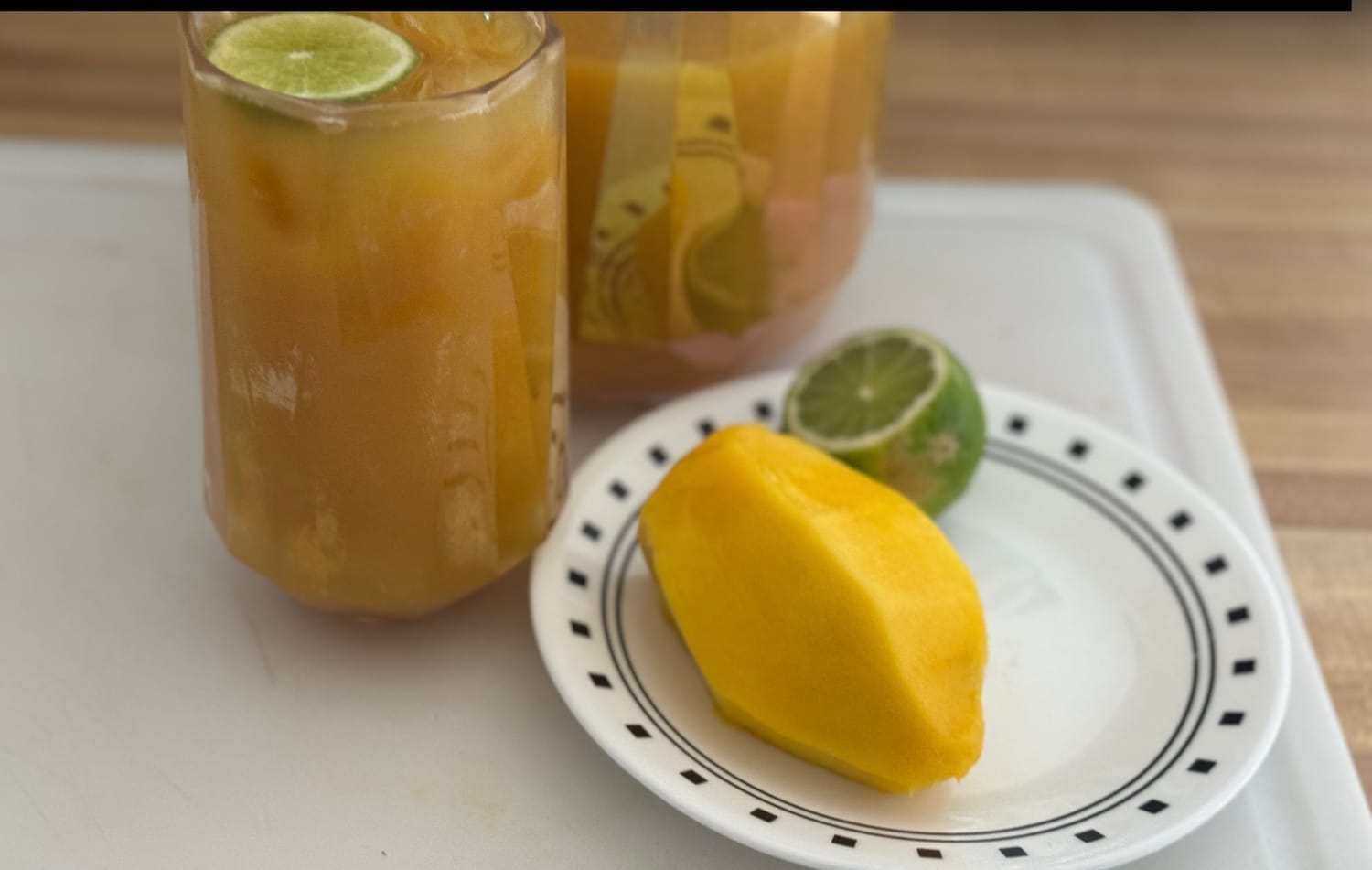
Here's a simple and refreshing recipe for Mango Iced Tea
Mango Iced Tea Recipe
Ingredients:
2 cups water
2 black tea bags (or green tea bags, if preferred)
1 ripe mango, peeled and diced
2 tablespoons honey or sugar (adjust to taste)
Juice of 1 lemon or lime
Ice cubes
Fresh mint leaves (optional, for garnish)
Instructions:
1. Brew the Tea:
- In a saucepan, bring the water to a boil.
Once boiling, remove from heat and add the tea bags. Let them steep for about 5 minutes, then remove the tea bags and allow the tea to cool.
2. Prepare the Mango Puree:
In a blender, combine the diced mango and a tablespoon of water. Blend until smooth. If you'd like a smoother texture, you can strain the puree through a fine mesh sieve to remove any fibers.
3. Combine Ingredients:
In a pitcher, mix the cooled tea, mango puree, honey (or sugar), and lemon or lime juice. Stir well until the honey or sugar is fully dissolved.
4. Serve:
Fill glasses with ice cubes and pour the mango iced tea over the ice.
Garnish with fresh mint leaves if desired.
5. Enjoy:
Let us know what you think in the comments!


Created with ©systeme.io
Lorem ipsum dolor sit amet, consectetur adipisicing elit. Autem dolore, alias, numquam enim ab voluptate id quam harum ducimus cupiditate similique quisquam et deserunt, recusandae.